 Presented By The Webbys
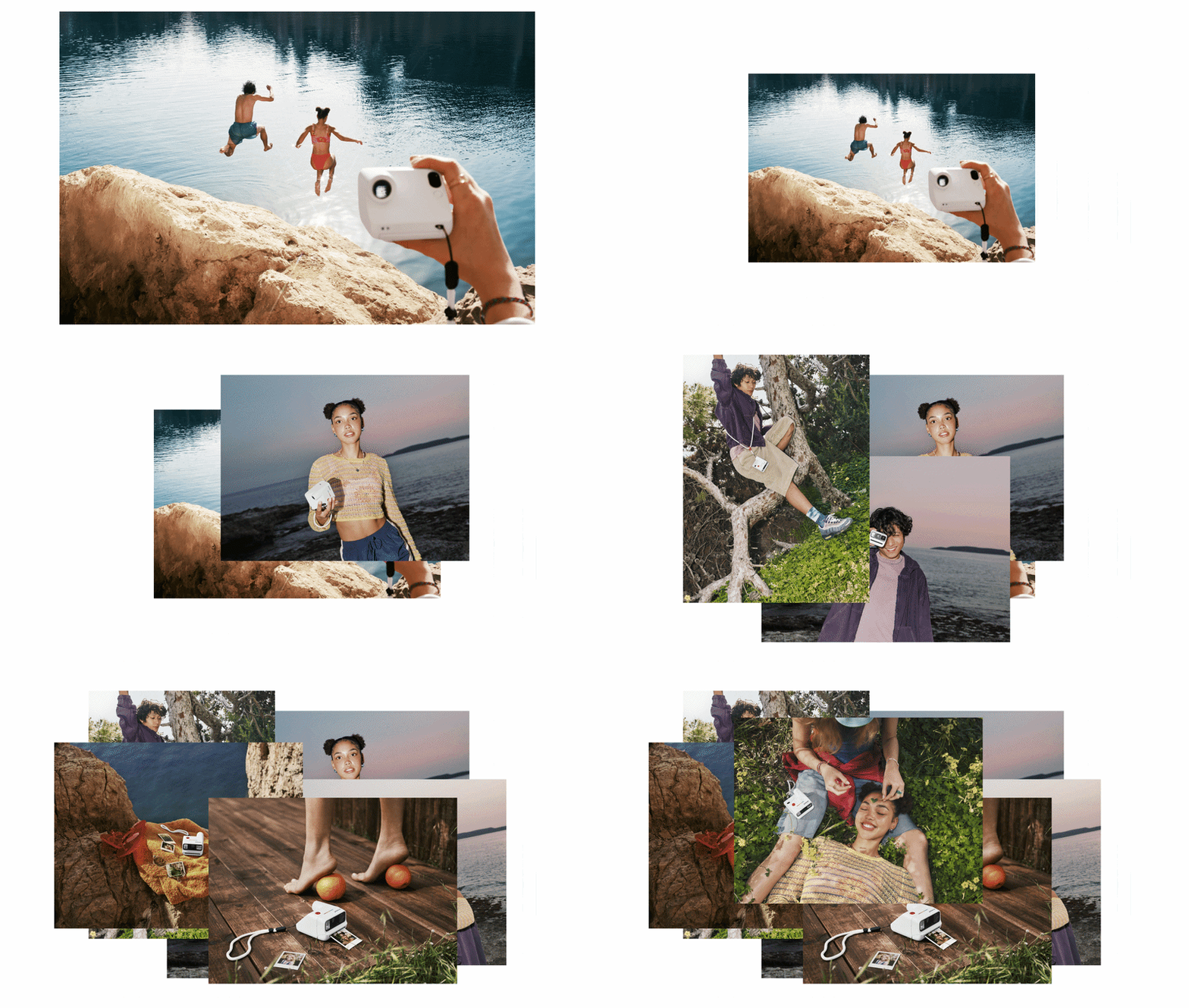
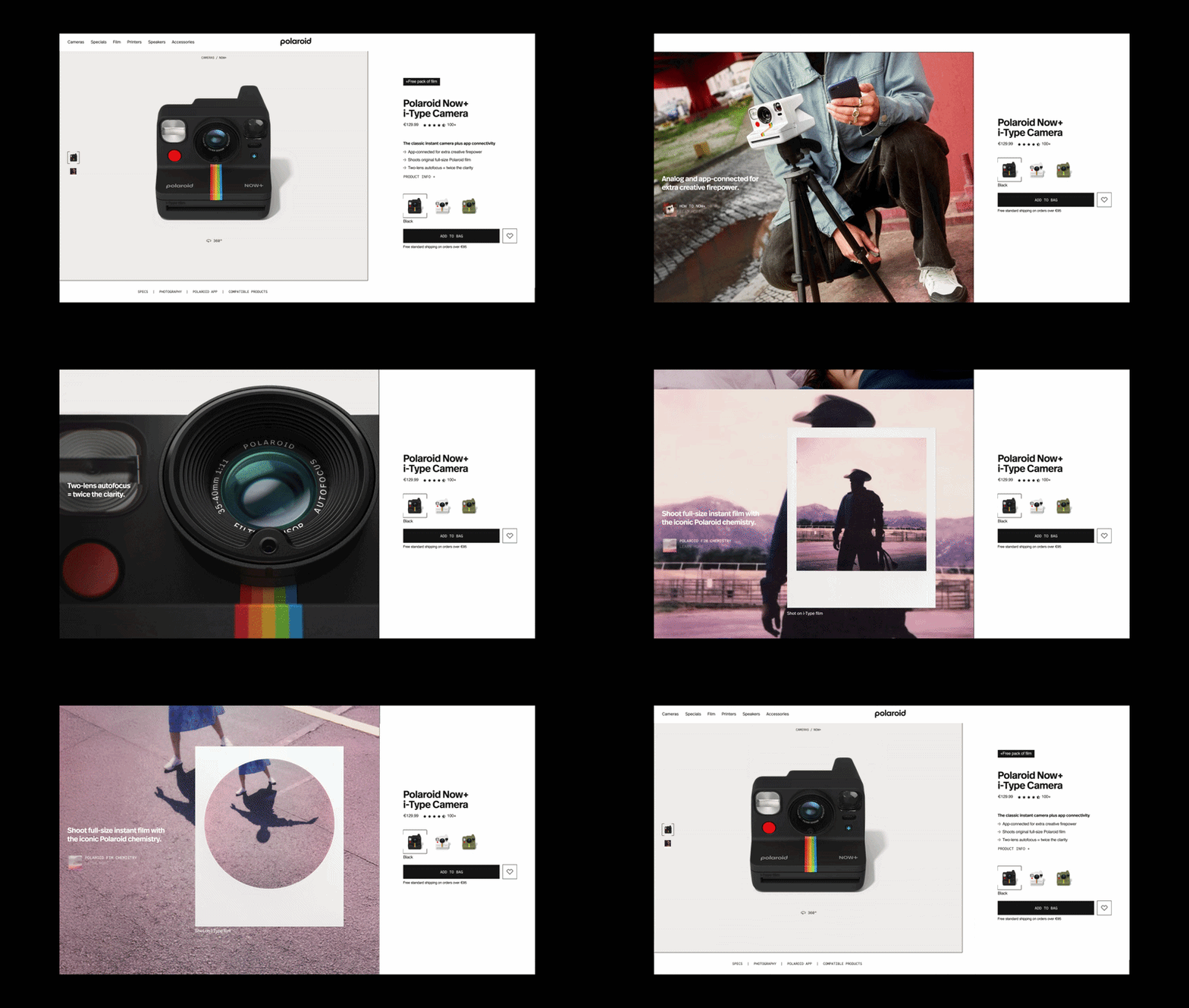
When Polaroid approached Build in Amsterdam to redesign its digital flagship, the challenge went far beyond e-commerce. The iconic photography brand wanted to reclaim its audience, strengthen its identity beyond online marketplaces, and create a destination that reflected the emotional experience of shooting on film.
The result was an award-winning digital experience that balances seamless usability with the tactile, imperfect qualities that have made Polaroid beloved for generations.
We spoke with Sanne van Ettinger, Head of Strategy, and Emile Feij, Lead Designer, about translating analogue experiences into digital design, finding inspiration beyond the screen, and why the next generation of internet experiences may feel a little more human.
Every standout project has an origin story. What sparked this one?
Sanne: Polaroid wanted to completely rethink its .com experience. One of the main drivers was bringing customers back from Amazon. While Amazon was selling the products, it wasn’t telling the Polaroid story.
The ambition was to make Polaroid.com a destination again. Not just somewhere to buy cameras and film, but a place that reflected the brand’s cultural relevance and lifestyle appeal.
Emile: The timing also coincided with the launch of the I-2, Polaroid’s first semi-professional camera. It marked a more premium direction for the brand, and the website needed to evolve alongside it. Our challenge was to create a digital experience that embraced both that premium positioning and the analogue spirit of Polaroid photography.
What creative decision had the biggest impact on the final experience?
Emile: Early on, we asked ourselves whether we should recreate the analogue experience digitally or simply take inspiration from it. We chose the latter.
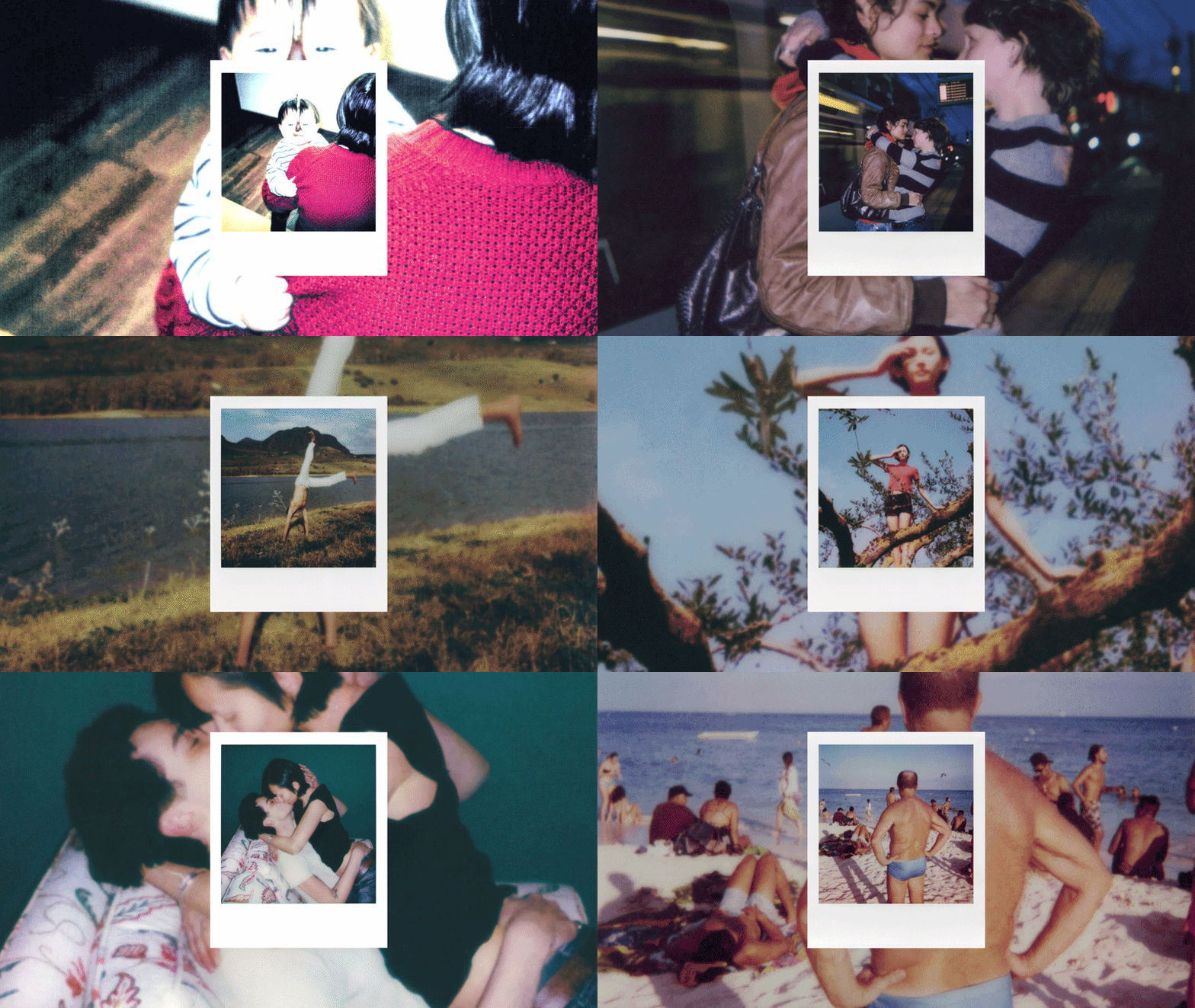
Instead of mimicking analogue photography, we focused on embracing its imperfections. We studied the cameras, how people interacted with them, how they stored their photographs, even the small details of the camera interface.
One of our favourite examples became the handwritten notes people leave on the white border of a Polaroid photograph. Rather than creating a handwritten font, we photographed real handwriting and integrated it into the website. That preserved the authenticity without turning it into a digital imitation.
Sanne: It was about making the tangible feel digital without losing what makes it special.
What lesson from this project will stay with you?
Emile: Inspiration doesn’t always come from other digital experiences.
For this project, the best ideas came from studying the physical product itself and watching how people actually use it. Looking beyond the screen gave us far richer creative inspiration than looking at other websites ever could.
Sanne: That’s something we try to carry into every project. Inspiration comes from life, whether that’s art, museums, products or everyday experiences. If you only look within your own category, it’s difficult to create something genuinely new.
Build in Amsterdam has won more than 30 Lovie Awards. What has that recognition meant?
Sanne: It’s a huge compliment to our team and our clients. Awards recognise the work we’ve built together and help shine a light on our clients’ brands.
They’ve also helped us attract exceptional talent. People want to work somewhere they’re challenged to make great work, and that creates a really positive cycle for the agency.
What advice would you give to agencies entering The Lovie Awards?
Sanne: One of our designers also serves on The Lovie Awards jury, and his advice was simple: don’t aim to create something that’s only well designed.
The work that stands out introduces a new way of thinking, seeing or experiencing something. Innovation isn’t just technological. It can be conceptual, visual or emotional.
Emile: I’d also encourage creatives to embrace limitations.
Every project comes with constraints, whether that’s budget, content or technical requirements. Those limitations often become the catalyst for the strongest creative ideas. Instead of seeing them as restrictions, use them as opportunities to push the work further.
What trends are you watching most closely?
Sanne: I’m fascinated by the growing interest in older electronics and more tactile experiences. People are rediscovering wired headphones, iPods and flip phones. There’s a clear desire to move beyond the identical black rectangles we’ve all become used to.
What’s interesting is that people still expect digital convenience. They want connected experiences and intuitive interfaces, but they also want things to feel more human. That tension between friction and convenience is something we’re paying close attention to.
Emile: Older products also had much stronger personalities. They expressed something about the people using them, and that’s something we think brands can learn from.
What kind of internet would you like to see in the years ahead?
Emile: I’d love to see more experiences that feel uniquely designed for the brands behind them, rather than relying on templates.
There are always conventions in e-commerce that make sense, but there’s still plenty of room to create something distinctive.
Sanne: Ultimately, it’s about resisting one-size-fits-all solutions while creating experiences that genuinely connect with people. When people feel something for a brand, that’s when lasting relationships are built.
____________________________________________________________________________________________________________________________________________________
Enter The Lovie Awards to Earn Industry Exposure
You have one last chance to enter the 16th Annual Lovie Awards and show your work to our expert panel of industry luminaries. Enter before the Grace Deadline on 18 September, 2026.